In a world where learning styles vary widely, supporting students with dyslexia in the classroom is more crucial than ever.
Dyslexia, a common learning difference, can present unique challenges, but with the right adaptations, educators can create an inclusive environment that fosters success.
This article explores gentle yet effective ways to support students with dyslexia through thoughtful classroom adaptations.
Creating a welcoming environment can make a world of difference. A classroom that feels safe and accepting allows students to express themselves freely without the fear of judgment. When students know that their learning differences are understood and respected, they are more likely to engage and participate. Simple gestures, such as displaying positive affirmations or showcasing student work, can encourage a sense of belonging.
Another important aspect is to embrace the use of technology. Today’s digital tools offer a wealth of resources that can aid students with dyslexia. Text-to-speech software, for instance, can help students comprehend written content more easily. Audiobooks provide an alternative way to access literature, allowing students to enjoy stories without the stress of decoding text. By integrating these tools into daily lessons, educators can enhance learning experiences and provide diverse avenues for understanding.
A small shift toward balance can also be achieved through flexible seating arrangements. Traditional desks in rigid rows may not serve every student well. Allowing students to choose their seating—whether it’s a beanbag chair, a standing desk, or a cozy nook—can help them find their comfort zone. This flexibility can lead to increased focus and engagement, as students are more likely to thrive in an environment that caters to their individual preferences.
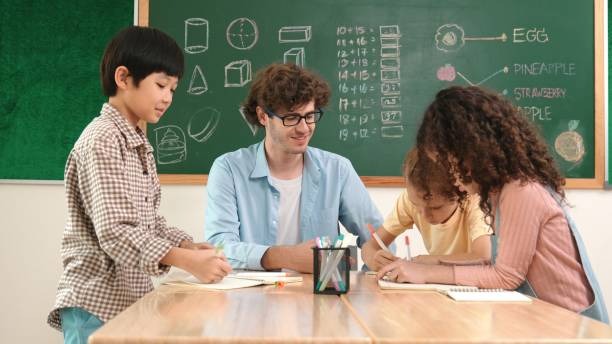
Visual aids are another powerful ally in supporting students with dyslexia. Incorporating charts, diagrams, and color-coded materials can enhance comprehension and retention. For example, breaking down complex information into visual formats can make it more accessible. Using different colors to highlight key points or organizing information visually can help students grasp concepts without being overwhelmed by text.
Fostering a collaborative atmosphere can also be beneficial. Group work encourages peer support, allowing students to learn from one another. Pairing students with diverse strengths can create a rich learning experience, where those with strengths in verbal communication can assist peers who may struggle with reading. This not only builds confidence but also nurtures social skills that are essential for lifelong learning.
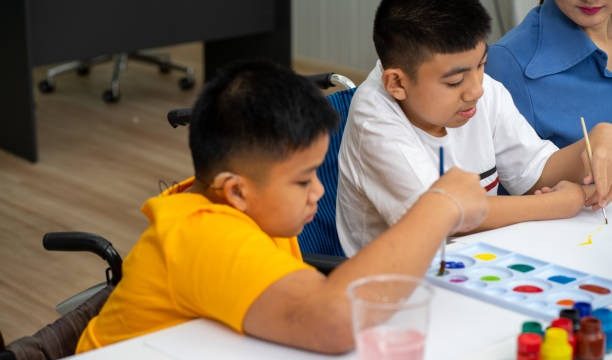
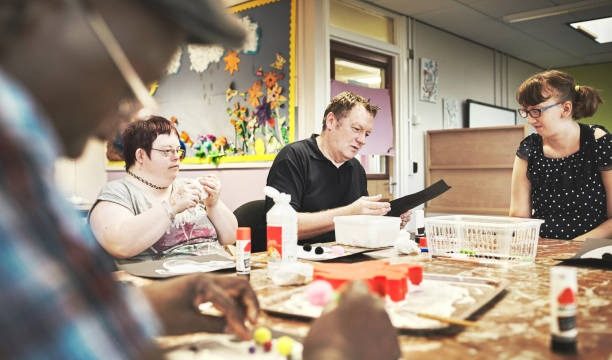
Another gentle yet impactful adaptation is the use of multi-sensory teaching techniques. Engaging multiple senses can deepen understanding and retention. For instance, incorporating hands-on activities, such as building models or using manipulatives, can help students connect with the material in a physical way. This approach recognizes that learning is not one-size-fits-all and allows for creativity and exploration.
In addition to these adaptations, providing clear and consistent instructions can alleviate anxiety for students with dyslexia. Breaking tasks into smaller, manageable steps and using straightforward language can help students follow along with ease. Visual schedules or checklists can serve as helpful reminders, guiding students through their daily activities without overwhelming them.
Encouraging a growth mindset is also a subtle yet powerful way to support students. Emphasizing effort over perfection fosters resilience and a love for learning. Celebrating small achievements can motivate students to persist, even when faced with challenges. A simple acknowledgment of their hard work can go a long way in building their self-esteem and encouraging them to keep striving for improvement.
Furthermore, involving families in the educational journey can create a strong support network. Regular communication with parents or guardians can help reinforce strategies used in the classroom at home. When families understand the adaptations being made, they can continue the conversation and support their child’s learning in a consistent manner. Hosting workshops or information sessions can provide families with tools and resources, empowering them to play an active role in their child’s education.
As we consider these adaptations, it’s essential to remain open to feedback. Every student is unique, and what works for one may not work for another. Creating a classroom culture where students feel comfortable sharing their needs and preferences can lead to valuable insights. Regular check-ins can help educators understand how their adaptations are impacting student learning and allow for adjustments as needed.
In conclusion, supporting students with dyslexia through classroom adaptations is a journey that requires patience, creativity, and understanding. By fostering a welcoming environment, embracing technology, and incorporating multi-sensory approaches, educators can create a space where all students can thrive. With gentle shifts in teaching practices, we can empower students with dyslexia to embrace their unique learning styles and discover their potential. The path to success may look different for each student, but with the right support, they can illuminate their way forward, one step at a time.