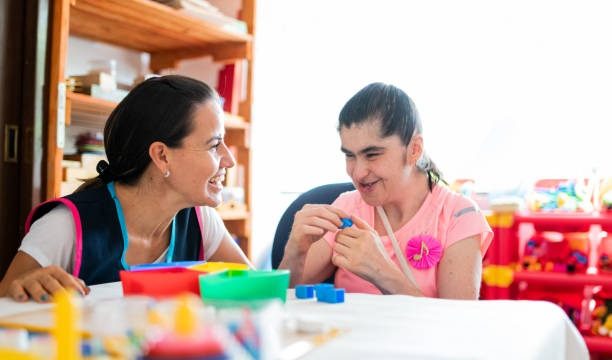
Understanding dyslexia can sometimes feel daunting, both for those experiencing it and for the people who support them.
However, fostering a nurturing environment through positive reinforcement and praise can significantly impact the lives of individuals with dyslexia.
This approach not only promotes confidence but also encourages a love for learning that can transcend the challenges they face.
Dyslexia is often characterized by difficulties with reading, writing, and spelling, but it’s important to remember that it doesn’t reflect a person’s intelligence or potential.
Many individuals with dyslexia possess exceptional talents and creative abilities, often excelling in areas such as problem-solving, critical thinking, and the arts. By focusing on these strengths rather than the challenges, we can create a supportive atmosphere that nurtures growth and resilience.
A gentle approach to support
When working with someone who has dyslexia, a gentle approach can go a long way. It’s essential to cultivate an environment where mistakes are seen as part of the learning process rather than as setbacks. Children, in particular, thrive in spaces where they feel safe to express themselves and explore their abilities without fear of judgment.
Positive reinforcement plays a crucial role in this journey. Celebrating small victories—whether it’s reading a sentence independently or completing a homework assignment—can significantly boost self-esteem. These moments of recognition not only affirm their efforts but also motivate individuals to keep trying, reinforcing the idea that persistence leads to progress.
Encouraging a growth mindset
Adopting a growth mindset is vital when supporting someone with dyslexia. This concept revolves around the belief that abilities and intelligence can be developed through dedication and hard work. By framing challenges as opportunities for growth, we can help individuals view their struggles through a more positive lens.
Encouragement can take many forms, from verbal praise to more tangible rewards. It’s essential to be specific in your praise, focusing on the effort rather than the outcome. For instance, saying, “I’m so proud of how hard you worked on that project,” can be more impactful than simply saying, “Good job.” This specificity not only reinforces their efforts but also helps them understand what they did well, making it easier to replicate that success in the future.
Creating a supportive community
Building a supportive community is another powerful way to uplift those with dyslexia. This can involve family, friends, teachers, and peers who understand the unique challenges they face. When individuals feel that they are part of a caring network, it can significantly alleviate feelings of isolation and frustration.
Encouraging open conversations about dyslexia within this community can foster understanding and empathy. Sharing experiences and strategies for coping can create an atmosphere of collaboration, where everyone learns from each other. This sense of belonging can be particularly crucial for children, as it helps them realize they are not alone in their journey.
The power of patience
Patience is an essential ingredient in the support process. Learning to read and write can take more time for those with dyslexia, and this can sometimes lead to frustration. It’s important to remember that progress may look different for each individual. What matters most is that they feel supported throughout their journey.
Being patient means allowing them the time and space they need to process information. It also means recognizing when they may need a break or a change in approach. Sometimes, stepping back and trying a different method can lead to breakthroughs that a rigid approach might not achieve.
Finding joy in learning
One of the best ways to support someone with dyslexia is to help them find joy in learning. This can be achieved by incorporating their interests into reading and writing activities. Whether it’s using their favorite books or engaging them in storytelling that captures their imagination, finding ways to connect learning to their passions can make a significant difference.
Engaging in multi-sensory learning experiences can also be beneficial. Activities that involve touch, visuals, and movement can help reinforce concepts in a more engaging way. For example, using physical objects to represent words or letters can turn a challenging task into a fun and interactive game.
The role of technology
In today’s digital age, technology can be a wonderful ally for individuals with dyslexia. There are numerous tools and resources available that can assist in reading and writing. Text-to-speech software, for instance, can help individuals access written content in a more manageable way. Similarly, apps that focus on phonics and vocabulary can provide additional practice in an engaging format.
While technology can enhance learning, it’s important to approach it with balance. Encouraging breaks from screens and promoting a variety of learning methods can ensure a well-rounded experience that keeps the individual engaged and motivated.
Nurturing self-advocacy
As individuals with dyslexia grow, fostering a sense of self-advocacy becomes increasingly important. Teaching them to articulate their needs and seek help when necessary can empower them to take charge of their learning journey. This can involve guiding them in understanding their unique learning style and encouraging them to communicate this to educators and peers.
Supportive conversations about dyslexia can help individuals embrace their differences and see them as strengths rather than obstacles. When they learn to advocate for themselves, they are more likely to feel confident in their abilities and pursue their goals with determination.
In closing, supporting dyslexia through positive reinforcement and praise is a journey that requires compassion, patience, and understanding. By focusing on strengths, fostering a growth mindset, and creating a nurturing community, we can help individuals with dyslexia thrive. With the right support and encouragement, they can embrace their unique paths, celebrating every step forward along the way.