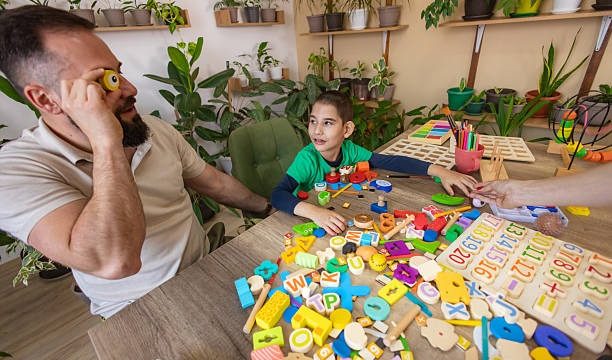
Writing support for learners with dyslexia is a delicate and rewarding endeavor.
It requires a blend of empathy, understanding, and creativity.
As we navigate through the complexities of language and learning differences, we can discover friendly approaches that not only aid these learners but also empower them to embrace their unique strengths.
Understanding dyslexia is the first step toward providing effective support. This condition affects the way individuals process written and spoken language, making reading and writing challenging. However, it’s essential to remember that dyslexia is not a reflection of intelligence. Many individuals with dyslexia possess remarkable talents and abilities in various fields. By fostering an environment that acknowledges their challenges while celebrating their strengths, we can create a nurturing space for growth.
A gentle shift in perspective can open new doors for dyslexia learners. Instead of focusing solely on the difficulties associated with reading and writing, consider highlighting the diverse ways in which these individuals can express themselves. Encourage them to explore their creativity through storytelling, art, or even oral presentations. Engaging in these activities can boost their confidence, allowing them to see the beauty in their unique perspectives.
Creating a supportive atmosphere is vital. This starts with open communication. Let learners know that it’s okay to ask for help and to express their feelings about their learning experiences. Establishing a rapport built on trust enables them to feel secure in seeking assistance when needed. It’s also beneficial to involve family members and educators in this journey, as a united front can provide a consistent support system.
Incorporating technology can also enhance the learning experience for those with dyslexia. There are numerous applications and tools designed to assist with reading and writing. These resources can provide a sense of independence and allow learners to engage with texts in a way that feels comfortable to them. For instance, text-to-speech software can transform reading into a more manageable task, while word prediction tools can ease the writing process. Introducing such tools can significantly reduce frustration and promote a more positive learning experience.
Patience is a crucial component of supporting dyslexia learners. Sometimes, progress may seem slow, and that’s perfectly okay. Each small victory deserves recognition, whether it’s decoding a challenging word or crafting a complete sentence. Celebrating these milestones, no matter how minor they may seem, can boost motivation and encourage continued effort. It’s about creating a journey that values perseverance over perfection.
Developing a consistent routine can also be beneficial. A structured approach to learning can help dyslexia learners feel more secure and confident. Establishing specific times for reading and writing can create a sense of normalcy and expectation. Within this routine, it’s essential to allow for flexibility. Some days may be more challenging than others, and that’s a natural part of the learning process. By adapting to the needs of the learner and remaining patient, we can help them navigate their educational journey with grace.
Interactive learning experiences can also be incredibly effective. Engaging activities that combine movement and learning can help reinforce concepts in a fun and memorable way. For example, incorporating games that involve spelling or vocabulary can transform a tedious task into an enjoyable challenge. Kinesthetic learning strategies can stimulate interest and make the process feel more dynamic.
Encouraging a love for reading, rather than focusing solely on proficiency, can shift the narrative. Introducing books that align with the learner’s interests can ignite a passion for storytelling. Graphic novels, audiobooks, and even poetry can provide relatable content that captures their attention. The goal here is to foster a joyful relationship with literature, allowing learners to explore narratives without the pressure of traditional reading expectations.
Finding the right resources is also essential. There are countless materials designed specifically for dyslexia learners, from specially formatted books to phonics-based programs. These resources can help bridge the gap between frustration and understanding. It’s worth taking the time to research and discover what resonates best with each individual learner. Collaborating with educators or specialists can also provide valuable insights into effective strategies and tools.
As we adopt a more compassionate approach to supporting dyslexia learners, we must also remember the importance of self-advocacy. Teaching learners to understand their strengths and challenges empowers them to articulate their needs. Encouraging them to communicate what works best for them fosters independence and confidence. This skill not only aids their current learning but also equips them for future challenges.
In our journey to support dyslexia learners, we can create a community that values diversity in learning styles. By embracing differences, we can cultivate an environment rich in understanding and acceptance. It’s about recognizing that every learner has their own path, and that journey is unique and worthy of respect.
Ultimately, our goal is to nurture a sense of belonging. Dyslexia learners deserve to feel valued and understood in their educational settings. By adopting friendly approaches to writing support, we can help them flourish. It’s a beautiful reminder that learning is not a one-size-fits-all experience. With love, patience, and creativity, we can guide dyslexia learners towards a brighter, more confident future where their voices are heard and celebrated.