Literacy is a cornerstone of personal and professional success, and for individuals with dyslexia, nurturing strong literacy habits can foster confidence and a love for reading.
While dyslexia can present unique challenges, it is essential to remember that every reader’s journey is different, and there are many ways to cultivate effective reading and writing habits.
With patience, understanding, and the right strategies, building literacy skills can transform into a rewarding experience.
Creating a nurturing environment is a fundamental step in supporting literacy development.
A cozy reading nook, with comfortable seating and good lighting, can make all the difference. Surrounding oneself with a variety of books—whether they are picture books, novels, or graphic novels—allows for exploration and discovery. The key is to ensure that the selection is engaging and enjoyable, catering to individual interests and preferences. When reading becomes a pleasurable activity rather than a chore, motivation naturally flourishes.
Incorporating technology can also play a vital role in enhancing literacy skills. There are numerous apps and programs designed specifically for individuals with dyslexia, offering features like text-to-speech, adjustable fonts, and interactive elements that make reading more accessible and enjoyable. These tools can help bridge the gap between traditional reading methods and the unique learning styles of those with dyslexia. Embracing technology not only aids in literacy development but also helps build digital literacy, an essential skill in today’s world.
Reading aloud is another gentle yet effective way to strengthen literacy habits. This practice can be particularly beneficial for individuals with dyslexia, as it allows them to hear words pronounced correctly and grasp the rhythm of language. Sharing stories with family members or friends can turn reading into a social activity, fostering connection and shared experiences. It is important to create a space where reading aloud is celebrated—where mistakes are not just tolerated but embraced as part of the learning process.
As individuals develop their reading skills, it is equally important to encourage writing. Journaling can be a therapeutic and creative outlet, allowing thoughts and feelings to flow freely onto the page. This act of writing can take many forms, from daily reflections to storytelling or poetry. The key is to create an environment where writing is seen as a form of self-expression rather than a task to be completed. By providing the freedom to write without judgment, individuals can explore their voice and build confidence in their writing abilities.
Fostering a growth mindset is essential in the journey toward literacy. It’s important to celebrate progress, no matter how small, and to view challenges as opportunities for growth. Encouraging resilience and persistence can help individuals navigate the ups and downs of developing literacy skills. When setbacks occur, reminding oneself that learning is a process can help maintain motivation and enthusiasm.
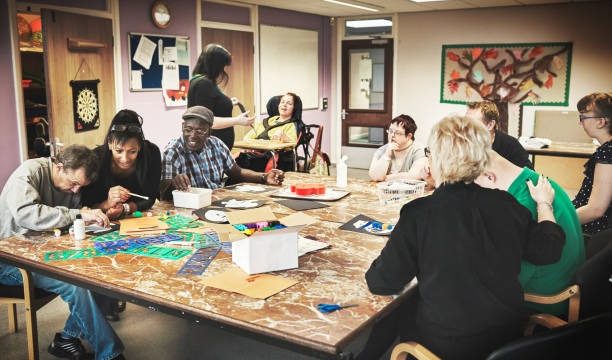
Involving family and friends in the literacy journey can also be immensely beneficial. Creating a support system where reading and writing are shared experiences fosters a sense of community. Book clubs, reading challenges, or writing workshops can be fun ways to engage with others while building literacy skills. These shared activities can provide encouragement and motivation, transforming the learning experience into a collaborative and enjoyable endeavor.
Exploring different genres and formats can keep the reading experience fresh and exciting. For someone with dyslexia, this might mean venturing into audiobooks, podcasts, or even video content that combines storytelling with visual elements. The goal is to find what resonates most and to remain open to new experiences. By diversifying reading materials, individuals can discover their preferences, which can lead to a deeper appreciation for literature.
Mindfulness can play a subtle yet profound role in developing literacy habits. Taking a moment to breathe and center oneself before diving into reading or writing can create a calm and focused mindset. This practice can help reduce anxiety and enhance concentration, allowing for a more productive and enjoyable experience. Creating a ritual around reading or writing—perhaps a warm cup of tea or a few moments of quiet reflection—can make these activities something to look forward to.
Consistency is key when it comes to building strong literacy habits. Setting aside dedicated time each day for reading and writing, even if it’s just a few minutes, can lead to significant improvements over time. Creating a routine helps to establish these activities as integral parts of daily life rather than sporadic tasks. It’s about finding a balance that works for each individual, ensuring that literacy becomes a natural and enjoyable part of their lifestyle.
As individuals with dyslexia continue to explore and cultivate their literacy skills, it’s essential to remember that everyone’s journey is unique. There is no one-size-fits-all approach to developing strong literacy habits. It’s about discovering what works best for each person and remaining patient throughout the process. With love, support, and the right strategies, building literacy skills can become a fulfilling and empowering experience.
Ultimately, the aim is to foster a lifelong love for reading and writing, one that transcends challenges and embraces the joy of words. By creating a supportive environment, exploring diverse materials, and nurturing a positive mindset, individuals with dyslexia can embark on a rewarding journey toward literacy. Each small step taken is a testament to resilience and determination, paving the way for a future where literacy is not just a skill, but a cherished part of life.