When it comes to learning, every individual has a unique way of processing information.
For learners with dyslexia, traditional methods of teaching can sometimes feel overwhelming.
However, incorporating visual aids into lessons can make a significant difference in fostering understanding and engagement.
Visual aids can transform challenging concepts into accessible and enjoyable learning experiences.
Creating a welcoming environment is the first step in supporting dyslexia learners. It’s essential to cultivate a space that encourages exploration and curiosity. When students feel safe and valued, they are more likely to engage with the material presented to them. This foundation is crucial in any learning journey, especially for those navigating the complexities of dyslexia.
Visual aids can take many forms, from colorful charts and illustrations to interactive digital media. These tools serve as bridges between abstract concepts and tangible understanding. For example, using images alongside text can help learners connect words with meanings. This association can be particularly beneficial for students who find it challenging to decode written language. A vibrant picture can evoke emotions and memories, making the material more relatable.
Incorporating multimedia resources is another effective way to enhance learning. Videos and animations can bring lessons to life, capturing attention in ways that static images or text may not. For instance, a video demonstration of a scientific principle can clarify complex ideas, allowing learners to visualize processes that might otherwise seem daunting. The dynamic nature of these resources often makes learning feel less like a chore and more like an adventure.
It’s also important to remember that visual aids should be thoughtfully integrated into lessons rather than used as mere decorations. When presenting new information, consider how a visual component can complement the verbal explanation. This synergy can reinforce comprehension. For example, when discussing a historical event, showing a timeline can help learners grasp the sequence of events and the relationships between them. This concrete representation can simplify abstract historical concepts, making them more digestible.
Interactive visuals can further engage dyslexia learners. Tools such as graphic organizers allow students to structure their thoughts visually. By breaking down information into manageable segments, learners can better process and retain what they are studying. This method encourages active participation, as students can manipulate the information in a way that resonates with them personally.
Another gentle approach is the use of color coding. Associating different colors with specific themes or categories can create a visual hierarchy that aids memory retention. For instance, using one color for definitions and another for examples can help students quickly identify key information. This method not only enhances understanding but also adds an element of creativity to the learning process, allowing students to express their individuality.
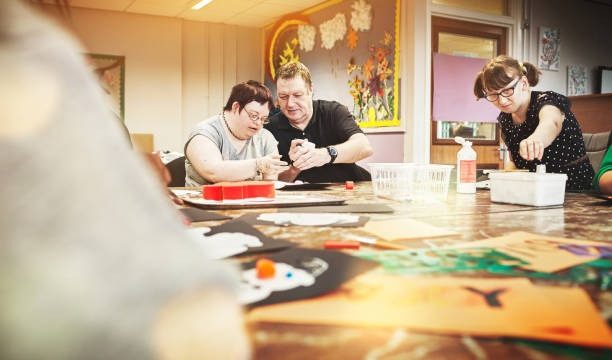
Incorporating hands-on activities can further reinforce visual learning. For example, using physical objects to demonstrate mathematical concepts can make abstract numbers feel more concrete. When students can touch and manipulate materials, they often find it easier to grasp complex ideas. This tactile experience can be especially beneficial for learners who thrive on experiential learning.
Collaboration can also enhance the effectiveness of visual aids. Encouraging group work allows learners to share their perspectives and insights, creating a richer learning environment. When students collaborate on projects that incorporate visual elements, they can learn from one another while also developing their social skills. This sense of community can be incredibly empowering, making the learning experience feel less isolating.
As educators and caregivers, it’s essential to remain flexible and responsive to the needs of each learner. What works for one student may not resonate with another. Therefore, being open to feedback and willing to adjust strategies is crucial. Regular check-ins can help ensure that students feel supported and understood, allowing them to thrive in their learning journey.
Emphasizing the process of learning rather than the end result is another gentle shift that can benefit dyslexia learners. Encouraging a growth mindset helps students view challenges as opportunities for growth. When mistakes are seen as a natural part of the learning experience, students are more likely to take risks and explore new ideas. Visual aids can play a pivotal role in this process, helping learners visualize their progress and celebrate their achievements, no matter how small.
Incorporating visual aids into lessons not only supports dyslexia learners but also enriches the educational experience for all students. The creativity and engagement that come from using diverse teaching methods can foster a love for learning that transcends traditional boundaries. By embracing visual tools, we create a more inclusive environment where every learner has the opportunity to shine.
Ultimately, the goal is to empower dyslexia learners to navigate their educational journeys with confidence. By understanding the unique challenges they face and utilizing visual aids thoughtfully, we can create pathways to success. As we explore new ways to enhance learning, let us remember that every student deserves the chance to connect with the material in a way that feels meaningful to them.
In the end, the journey of learning is a shared experience, one that invites us all to be curious, compassionate, and creative. By embracing visual aids and fostering a supportive environment, we can help dyslexia learners unlock their potential and discover the joy of understanding.