Recognizing and celebrating the strengths in dyslexic children can be a transformative journey for both the child and their family.
Dyslexia often comes with challenges, particularly in reading and writing, but it is essential to remember that every child possesses unique talents and abilities.
By focusing on these strengths, we can foster a sense of confidence and self-esteem in dyslexic children, helping them thrive in their own way.
A gentle shift in perspective can make all the difference. Instead of concentrating solely on the difficulties associated with dyslexia, consider the remarkable qualities that often accompany it. Many dyslexic children exhibit exceptional creativity, problem-solving skills, and a unique way of viewing the world. These attributes can be nurtured and celebrated, providing a foundation for lifelong success.
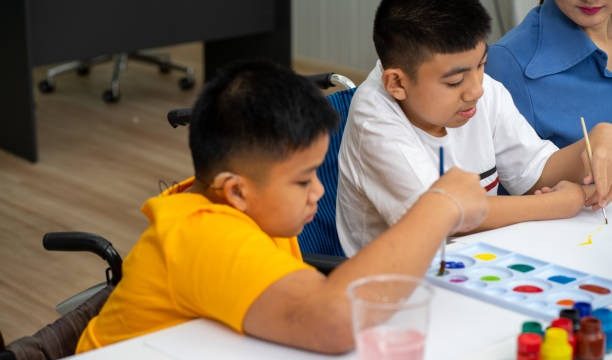
Fostering creativity is one of the most rewarding aspects of supporting a dyslexic child. Many children with dyslexia tend to think outside the box, approaching problems from unconventional angles. This creative thinking can manifest in various forms, from artistic endeavors to innovative solutions in everyday situations. Encourage your child to explore their interests, whether through painting, music, or imaginative play. By providing opportunities for creative expression, you help them discover and embrace their unique talents.
Another wonderful strength often found in dyslexic children is their ability to think in pictures rather than words. This visual thinking can lead to heightened spatial awareness and an innate talent for design or engineering. Engaging your child in activities that utilize this skill—such as building models, crafting, or engaging in hands-on projects—can reinforce their natural abilities. Allowing them to express themselves through visual means can boost their confidence and provide a sense of accomplishment.
It’s also important to recognize that children with dyslexia often possess strong interpersonal skills. Many are empathetic and intuitive, able to understand the emotions of those around them. These qualities can lead to excellent communication skills and the ability to build strong relationships. Encourage your child to engage in group activities, whether it’s joining a team sport or participating in community service. These experiences can help them connect with peers and develop a sense of belonging while building on their innate strengths.
Creating a supportive and understanding environment at home is essential. Make it a point to celebrate small victories, whether it’s completing a project or mastering a new skill. Acknowledging these achievements reinforces a positive self-image and encourages your child to keep striving for success. Positive reinforcement can be as simple as a warm hug, a high-five, or words of encouragement. Celebrate their efforts, not just the outcomes, and help them understand that perseverance is a valuable trait.
Involving your child in discussions about their learning style can also empower them. Help them recognize that dyslexia is simply a different way of processing information. Encourage them to share their thoughts on what strategies work best for them, whether it’s using audiobooks, graphic organizers, or other tools. This involvement fosters a sense of ownership over their learning journey and encourages them to advocate for their needs.
A small shift toward balance can also be beneficial. While it’s essential to focus on strengths, it’s equally important to address challenges in a constructive manner. Teaching your child coping mechanisms and strategies to deal with difficulties can help them navigate their learning environment with greater ease. Encourage them to be patient with themselves and to view challenges as opportunities for growth. This balanced approach can lead to resilience, a trait that will serve them well throughout their lives.
Engaging with the community can also play a significant role in recognizing and celebrating strengths. Look for local support groups or organizations that focus on dyslexia and learning differences. Connecting with other families can provide a sense of camaraderie and shared experience. It can also expose your child to role models who have thrived despite similar challenges, showcasing the diverse paths that can lead to success.
Incorporating technology into your child’s learning can also highlight their strengths. There are numerous apps and programs designed to support dyslexic learners, making reading and writing more accessible. These tools can help to level the playing field, allowing your child to showcase their knowledge and creativity in ways that feel comfortable and engaging. Embracing technology can also foster independence, which is a vital aspect of personal growth.
As your child grows, encourage them to pursue their passions and interests, even if they lie outside traditional academic subjects. Many dyslexic children excel in areas such as sports, music, or entrepreneurship. Support them in their pursuits by providing resources, mentorship, or simply being present at their events. Celebrating their passions reinforces their identity and helps them realize that they are more than their learning differences.
Ultimately, recognizing and celebrating the strengths in dyslexic children is about creating a nurturing environment that values individuality. By focusing on their unique abilities, fostering creativity, and encouraging resilience, we can help them build a strong foundation for their future. Each small step taken in recognition of their strengths can lead to significant changes in their self-esteem and overall well-being.
In this journey, it’s essential to remember that every child is unique. Embrace the opportunity to learn alongside your child, appreciating the different perspectives they bring to the world. By celebrating their strengths, we not only empower them but also enrich our own lives, creating a vibrant tapestry of experiences and possibilities.