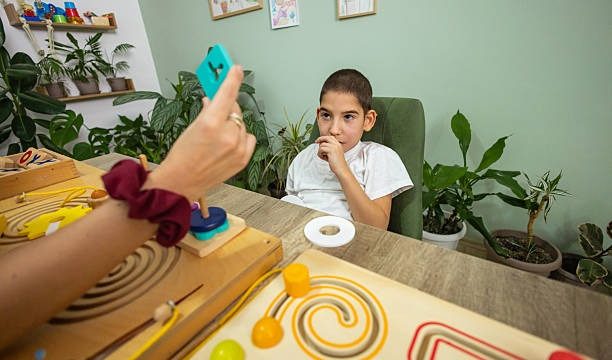
Developing vocabulary in children with dyslexia can be a fulfilling journey filled with creativity and patience.
While dyslexia often presents challenges in reading and writing, it doesn’t have to hinder a child’s ability to expand their vocabulary.
With the right approach, children can embrace language in ways that resonate with their unique learning styles.
Here, we explore some gentle strategies that can help nurture vocabulary development in these bright, capable children.
Creating a language-rich environment is one of the most effective ways to support vocabulary growth. Surrounding children with words in everyday life can make a significant difference. This might include reading aloud together, using descriptive language during conversations, and labeling objects around the house. When children hear and see words in context, they begin to make connections that deepen their understanding and encourage them to use new vocabulary in their own speech.
Reading together can be a delightful ritual that not only strengthens vocabulary but also fosters a love for stories. Choose books with engaging illustrations and relatable themes. As you read, pause to discuss new words and their meanings. This interaction transforms reading into a shared experience, making it more enjoyable and memorable. Encourage your child to ask questions and express their thoughts about the story. This dialogue not only enhances comprehension but also allows them to practice using new vocabulary in a supportive setting.
Incorporating games into learning can add an element of fun while reinforcing vocabulary skills. Simple word games like Scrabble, Boggle, or even homemade charades can make learning feel less like a chore and more like play. These activities encourage children to think about words and their meanings in a relaxed atmosphere. Additionally, consider using apps or online resources designed specifically for vocabulary building. Many of these tools are interactive and engaging, making learning feel effortless.
A small shift toward balance can be achieved by integrating vocabulary development into daily routines. Whether you’re cooking together or taking a walk, seize opportunities to introduce new words. For instance, while preparing a meal, you can describe the ingredients and their textures, colors, and tastes. This not only builds vocabulary but also strengthens your child’s connection to the world around them. Similarly, nature walks can become a treasure trove of vocabulary, as you explore and identify plants, animals, and natural phenomena.
Encouraging creativity is another wonderful way to enhance vocabulary. Children with dyslexia often have rich imaginations, and tapping into this creativity can be incredibly beneficial. Invite them to create stories, poems, or even comic strips using new words they’ve learned. Allow them the freedom to express themselves without the pressure of perfection. This nurturing space can empower them to explore language in a way that feels authentic and enjoyable.
Positive reinforcement can work wonders in building confidence and motivation. Celebrate small victories, whether it’s using a new word in conversation or recalling a term from a recent reading. This encouragement helps children feel proud of their achievements and eager to learn more. Creating a vocabulary journal can also be a rewarding practice. Encourage your child to write down new words they encounter, along with their meanings and sentences that use them. This not only reinforces learning but also gives them a sense of ownership over their vocabulary journey.
Exploring different forms of media can also enrich vocabulary development. Movies, podcasts, and educational videos can expose children to diverse language styles and contexts. Discussing what they watch or listen to can further deepen their understanding. Ask questions about the characters, the plot, or even the music. This dialogue helps them articulate their thoughts and encourages them to use new vocabulary in a natural way.
Connecting with peers can be a valuable aspect of vocabulary development. Encouraging your child to engage in group activities, such as book clubs or drama classes, can provide opportunities for social interaction and language use. These environments often foster a sense of belonging and encourage children to express themselves more freely. As they share ideas and stories with their peers, they can discover new words and phrases that enrich their vocabulary.
As parents and caregivers, it’s essential to remain patient and compassionate throughout this process. Each child’s journey with dyslexia is unique, and progress may come in waves. Celebrate the small steps, and remember that the goal is not just to increase vocabulary but to instill a love for language that lasts a lifetime.
Creating a community of support can also be beneficial. Connecting with other parents or support groups can provide insights and encouragement. Sharing experiences and strategies can help you discover new methods that resonate with your child. It’s reassuring to know that you’re not alone on this journey, and that others understand the challenges and triumphs that come with developing vocabulary in children with dyslexia.
Ultimately, the key to fostering vocabulary development lies in creating a nurturing, engaging, and consistent approach. By embedding language into everyday experiences, encouraging creativity, and celebrating progress, you can help your child build a robust vocabulary that serves them well in both their academic and personal lives. Embrace the journey, and remember that your support and encouragement are invaluable in shaping their relationship with language. Together, you can turn challenges into opportunities for growth and discovery, paving the way for a brighter future filled with words and wonder.