Recognizing early signs of dyslexia in children is an important step toward fostering a supportive environment for their learning journey.
As parents, caregivers, or educators, it can be challenging to navigate the nuances of children’s development, particularly when it comes to reading and writing.
Understanding how dyslexia manifests can help you provide the necessary encouragement and resources to help your child thrive.
Dyslexia is often described as a specific learning difficulty that primarily affects reading, but it can also influence writing and spelling.
Children with dyslexia may face challenges that are not immediately obvious, making awareness essential. Early identification can lead to timely intervention, which can significantly improve outcomes.
As you observe your child’s developmental milestones, you might notice a few subtle signs that could indicate the presence of dyslexia. One of the first aspects to consider is their phonemic awareness, which is the ability to recognize and manipulate sounds in words. If your child struggles to rhyme words or has difficulty breaking words down into individual sounds, this could be an early indicator. For instance, if they find it hard to identify the beginning sounds in words, it might signal a need for further exploration.
Another area to pay attention to is language processing. Children with dyslexia often have trouble with verbal instructions or may take longer to respond to questions. If your child frequently asks you to repeat or clarify directions, it might be worth noting. This difficulty doesn’t reflect their intelligence, but rather a different way of processing information. Encouraging a calm and patient dialogue can help ease any frustration they may feel.
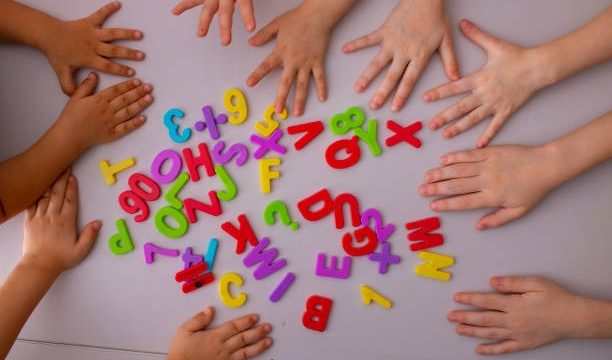
As children begin to read, you might observe their approach to letter recognition and decoding. Many children with dyslexia will mix up letters or have difficulty recognizing words they’ve seen before. For example, they may confuse ‘b’ and ‘d’ or struggle to remember sight words. If reading seems laborious for your child, or if they often guess words based on pictures rather than phonetics, these could be signs worth discussing further.
Writing can also reveal a lot about your child’s literacy skills. If you notice that their writing is often disorganized or filled with spelling errors, it might be a reflection of their struggles with the written language. Children with dyslexia may find it difficult to translate their thoughts onto paper, leading to frustration. Encouraging them to express themselves verbally or through drawing can provide a comforting outlet while still nurturing their creativity.
A small shift toward balance in your approach can greatly benefit your child. Creating a supportive atmosphere at home where reading is seen as a fun activity rather than a chore can help alleviate stress. Consider incorporating storytelling sessions, where you read together, or engaging in playful word games. This can make the learning process enjoyable and less daunting for your child.
Social interactions can also give you insight into your child’s experiences. If they often shy away from reading out loud in front of peers or show signs of anxiety during reading activities, it might indicate a lack of confidence stemming from their challenges. Encouraging open conversations about their feelings can help them feel understood and supported. Remind them that making mistakes is a natural part of learning, and it’s okay to ask for help.
Another aspect to reflect on is your child’s overall academic performance. If they consistently perform below grade level in reading and writing, it could suggest that they might benefit from additional support. However, it’s essential to approach this observation with a sense of curiosity rather than concern. Every child learns at their own pace, and recognizing that some children may need extra time or different strategies can foster a more inclusive learning environment.
As you navigate these early signs of dyslexia, it’s also important to remember that every child is unique. While some may exhibit clear indicators, others may show more subtle signs. Keeping a journal of your observations can be helpful. Documenting instances where your child struggles or excels can provide valuable insights when discussing their development with educators or specialists.
Engaging with teachers and school staff is another essential step. They can offer additional perspectives on your child’s performance in a structured environment. If you notice discrepancies between home and school behaviors, collaborating with educators can lead to a more comprehensive understanding of your child’s needs. Schools often have resources and support systems in place, which can be incredibly beneficial.
Seeking support from professionals who specialize in learning differences can also be a valuable option. They can provide assessments and tailored strategies to help your child navigate their literacy challenges. Remember, early intervention can make a significant difference in your child’s educational journey, and there’s no harm in seeking guidance.
Ultimately, fostering a nurturing atmosphere where your child feels safe to explore their learning challenges can lead to positive outcomes. Encourage them to express their thoughts and feelings, and remind them that they are not alone in their journey. With the right support and understanding, children with dyslexia can develop their skills and embrace their unique learning styles.
In conclusion, recognizing early signs of dyslexia in children involves a combination of observation, patience, and support. By staying attuned to their challenges and celebrating their strengths, you can create a loving environment that encourages growth and resilience. Every child deserves the opportunity to shine, and with your guidance, they can navigate their learning journey with confidence and joy.