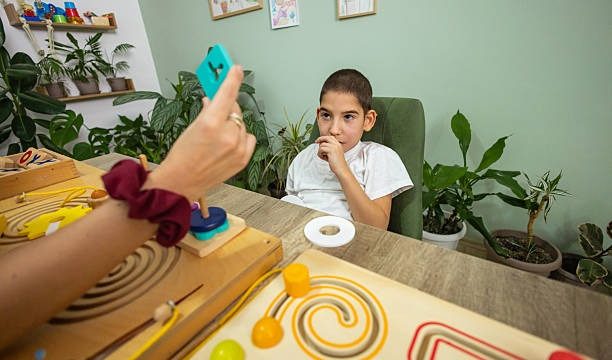
Learning can be a magical journey, especially for children with dyslexia.
However, this journey can sometimes feel like navigating through a thick fog.
The good news is that with a little creativity and understanding, learning can transform into an engaging and enjoyable experience.
Here are some gentle ideas to make learning fun and fruitful for children with dyslexia.
Creating a Welcoming Environment
The first step in making learning enjoyable is to create a welcoming and supportive environment. This space should be free from distractions, yet filled with comforting elements that inspire focus and creativity. Consider using soft lighting, comfortable seating, and colorful decorations that spark imagination. It’s also helpful to include tools like whiteboards or chalkboards, which can make learning interactive and playful.
In this nurturing atmosphere, children can feel safe to express themselves and explore ideas without fear of judgment. Encouraging a positive mindset about learning can help diminish anxiety and foster a sense of curiosity. When children feel comfortable, they are more likely to engage with the material in a meaningful way.
Incorporating Multi-Sensory Learning
Children with dyslexia often thrive when learning involves multiple senses. This is where the fun truly begins. Incorporating visual, auditory, and kinesthetic elements into lessons can transform traditional learning into an exciting adventure. For example, using colorful flashcards can help reinforce vocabulary, while audio recordings of stories can enhance comprehension.
Hands-on activities are particularly effective. Consider using clay to form letters or words, or engaging in activities that involve movement, like hopping while spelling out words. These multi-sensory approaches not only make learning more enjoyable but also cater to different learning styles, ensuring that each child finds their unique path to understanding.
Storytelling as a Learning Tool
Storytelling is a powerful tool that can captivate the imagination of any child. For children with dyslexia, weaving lessons into stories can be a delightful way to learn. Stories allow children to grasp concepts in a context they can relate to, making information more memorable.
Encourage children to create their own stories, perhaps featuring characters who face challenges similar to their own. This practice not only reinforces language skills but also builds empathy and self-awareness. Additionally, storytelling can be an opportunity for collaboration—working together to craft a tale can be a bonding experience that deepens relationships and makes learning a shared adventure.
Using Technology Wisely
In our tech-savvy world, technology can be a wonderful ally in the learning process. There are numerous apps and programs designed specifically for children with dyslexia, offering interactive and engaging ways to strengthen reading and writing skills. These tools often incorporate games, challenges, and rewards, making learning feel less like a chore and more like a fun pastime.
However, it’s essential to strike a balance with technology. Encourage children to take breaks from screens and engage in hands-on activities as well. Finding this equilibrium ensures that learning remains diverse and well-rounded, allowing children to benefit from the best of both worlds.
Encouraging Play and Exploration
Play is not just a leisure activity; it is a crucial part of learning, especially for young children. Incorporating games into learning can make even the most challenging subjects feel accessible. Board games, word puzzles, and interactive online games can reinforce skills in a lighthearted manner.
Exploration is equally vital. Encourage children to explore their interests outside the confines of traditional learning. Whether it’s a trip to the zoo, a nature walk, or a visit to a museum, these experiences can provide rich opportunities for learning. Encourage them to ask questions, observe details, and express their thoughts. This exploration fosters a love for learning that can last a lifetime.
Celebrating Small Victories
Every step forward is a victory worth celebrating, no matter how small. Recognizing and celebrating achievements—whether it’s mastering a new word or completing a project—can boost a child’s confidence and motivation. Create a reward system that acknowledges their hard work, such as a sticker chart or a special treat for reaching milestones.
These celebrations don’t have to be extravagant; sometimes, a simple acknowledgment can mean the world. By focusing on progress rather than perfection, children can develop a growth mindset that encourages perseverance and resilience.
Fostering a Supportive Community
Finally, building a supportive community can make a significant difference in a child’s learning experience. Connecting with other families who share similar experiences can provide comfort and encouragement. Consider joining support groups or local organizations that focus on dyslexia advocacy.
Involving teachers and caregivers in this journey is equally important. Open communication with educators can ensure that they understand the child’s unique needs and can implement strategies that foster a more inclusive learning environment. Together, families and educators can work hand-in-hand to create a nurturing space that empowers children to thrive.
In conclusion, making learning fun for children with dyslexia is about embracing creativity, understanding, and support. By creating a welcoming environment, incorporating multi-sensory learning, utilizing storytelling and technology, encouraging play, celebrating achievements, and fostering community, we can transform the learning experience into a joyful journey. With patience and love, every child can discover the magic of learning, regardless of the challenges they may face.